-
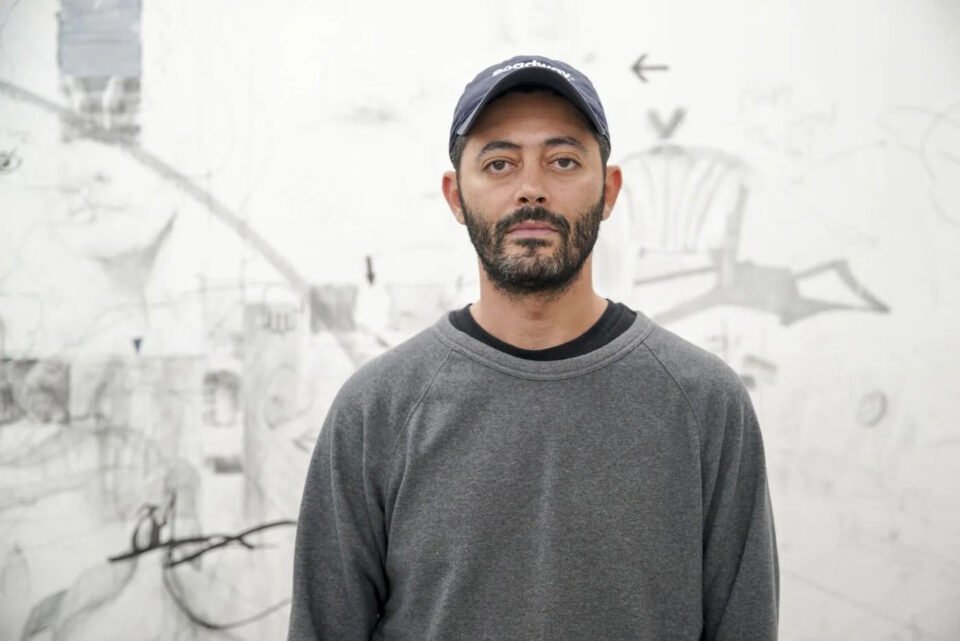
NIDHAL CHAMEKH: «After all, we're from here.» Exile, archive, and editing
Nidhal Chamekh, a Tunisian artist living between Tunis and Paris, assembles archive images of colonialism and migration: exile, diaspora, and his 2021 «Sans titre #3.».
-
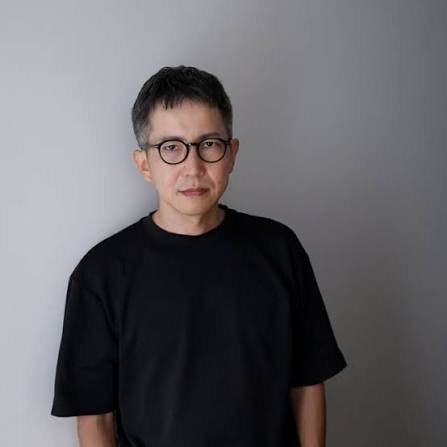
KEISUKE SHIROTA: A Sense of Distance, Painting the Edge of Memory
Keisuke Shirota glues a photograph onto the canvas and paints what the machine has never seen: the gaps and extensions of a fading memory.
-

PAOLO BARATELLA: Political painting that spoke the language of newspapers
There's a way of doing political painting that involves shouting, and another that involves changing the language you use. Paolo Baratella chose the latter. In the 1960s and 1970s, he depicted power, war, and foreign labor, using the same images that power used to speak to the public:
-

FABRIZIO PLESSI: The paper before the video
There are two ways of being avant-garde: one through solemnity, the other through jokes. Fabrizio Plessi is among the few to have made jokes a research strategy. He is remembered as the Italian pioneer of video art, the man of monitors stacked in towers, of electronic waterfalls and vertical seas, and the title is
-
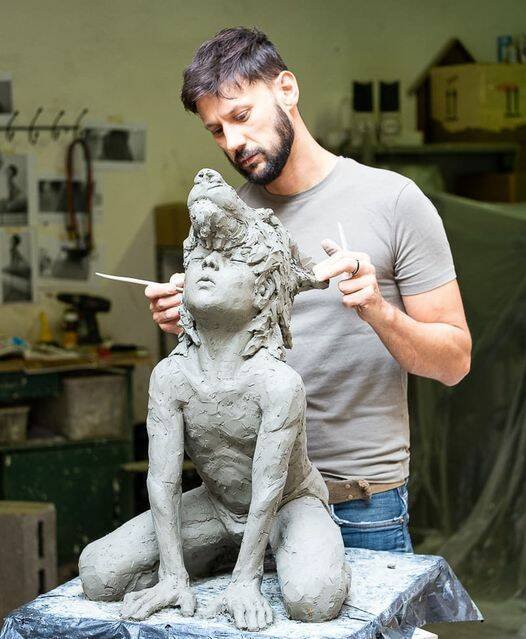
SIMONE BENEDETTO: when the object replaces the subject
Figurative sculpture has been considered finished many times, and has returned many times, because there is one thing that no other art form conveys with the same frankness: a body that occupies the space in which we also stand. Simone Benedetto works on this point, and he does so while everything around him tends to be reduced to
-
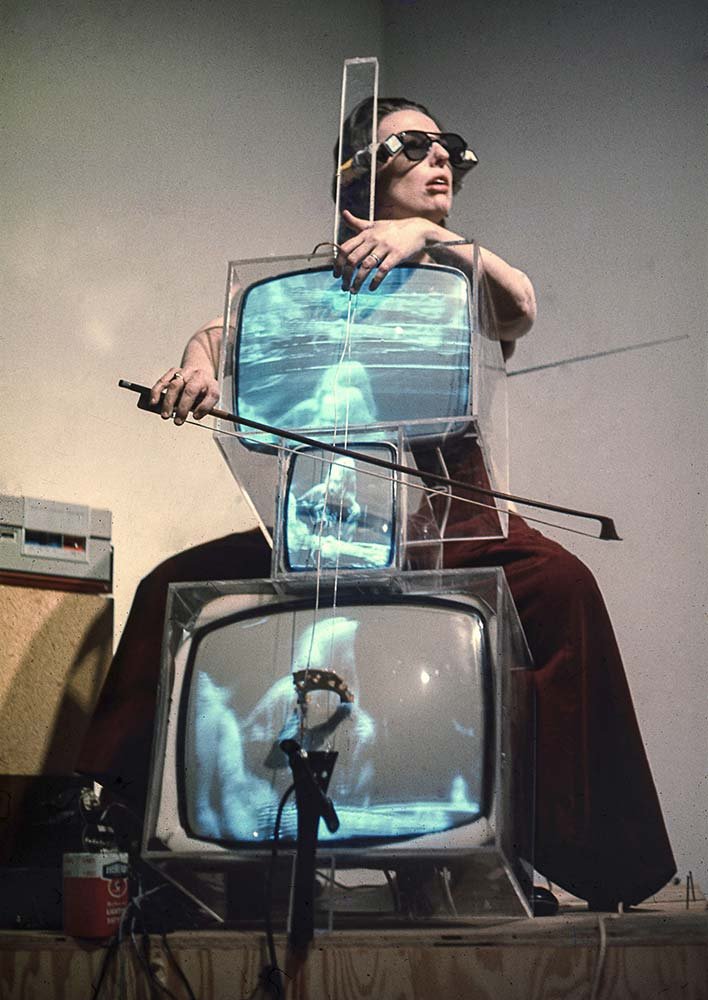
CHARLOTTE MOORMAN: the cello as action, as screen, as sculpture
From 1967 onwards, Charlotte Moorman was reduced to a photograph and a nickname: the «topless cellist». Those who remember her like this only talk about one evening, that of February 9, 1967, and leave out thirty years of work. Yet her story says something else, and it must be said clearly: Moorman was not
-

VITSHOIS MWILAMBWE BONDO: from Kin ArtStudio to the Congo Biennale
There are artists who wait for a system to welcome them and artists who build the system. Vitshois Mwilambwe Bondo belongs to the second species. In Kinshasa, where he says he found neither a professional gallery nor a place where a young person could grow and show his work, he opened a
-
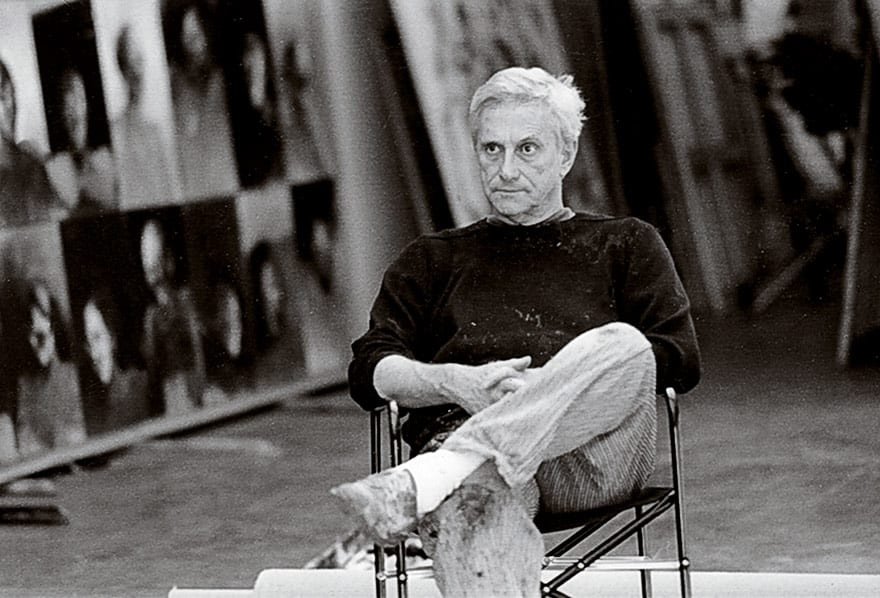
VLADIMIR VELIČKOVIĆ: the guinea pig man in the painting of the tragic
It was said that Vladimir Veličković painted violence. This is the most convenient and least precise definition. In his paintings, violence has already happened, or is about to happen, or has always lasted: what remains on the scene is the one who suffers it, a headless man running, a leaping dog, a rat in front of him.
-
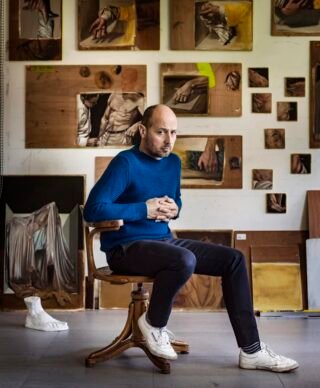
GIDEON KIEFER: The calm gesture of a master draftsman
Gideon Kiefer was born in 1970 in Neerpelt, in Belgian Limburg, in a landscape of woods and heathland that will never cease to return in his works. Today he lives and works in Sint-Martens-Latem, the Flemish village near Ghent that has attracted painters for over a century. Before being a museum artist, he was
-
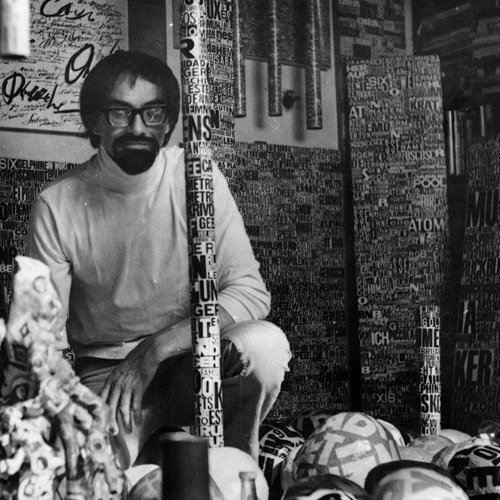
KAREL TRINKEWITZ: The Hacking Man from Bohemia
Karel Trinkewitz tirelessly repeated it: all his work, he said, is collage. And he was right, because collage was also his life. A Bohemian boy from a mixed family, a poet and a graphic designer, a dissident who sends cut-out postcards to a playwright in prison, an exile in Hamburg who ironically signs himself “the